
Analyzing Bristol City's Tactical Resilience: Adjustments for the Next Phase
Bristol City has shown flashes of brilliance in their recent fixtures, yet a closer inspection reveals that tactical consistency remains a challenge. With a mix of promising youth and seasoned professionals, the Robins have the foundation to build upon. However, as they aim for a stronger finish in the league, some tactical tweaks could provide the necessary edge.
Current Formation and Style of Play
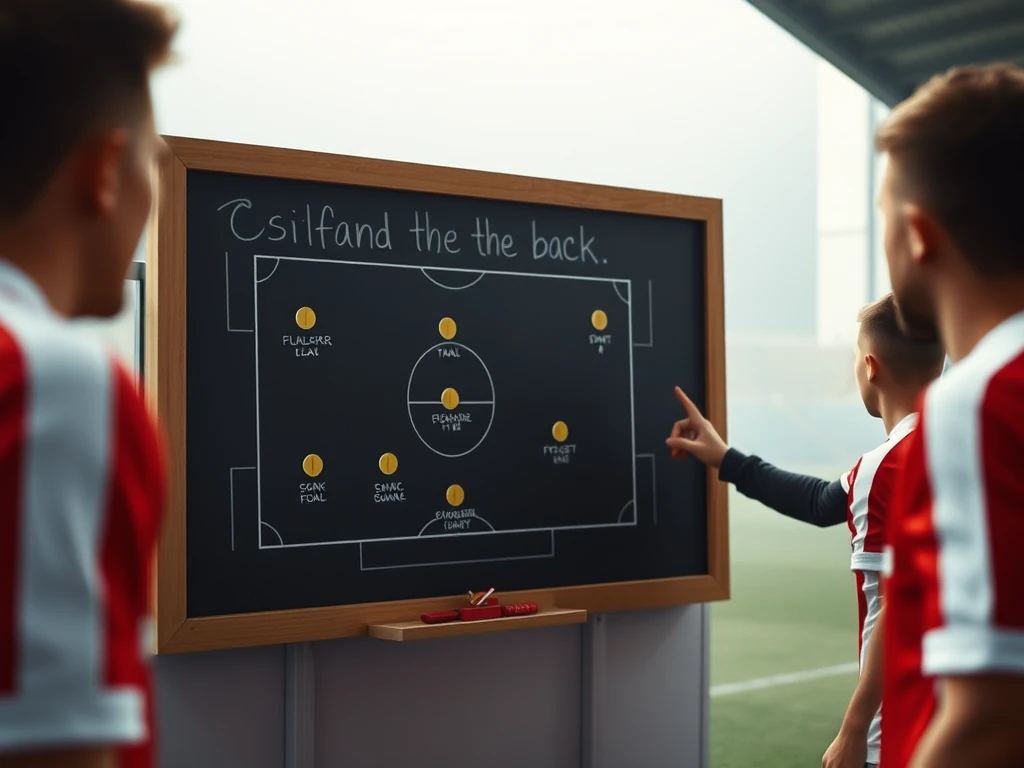
In recent matches, Bristol City has predominantly operated in a 4-2-3-1 formation, which has allowed them to maintain a solid defensive structure while providing creative outlets in the midfield and forward positions. This shape has been effective in controlling the midfield battles, allowing for quick transitions and counter-attacks. However, against teams that employ a high press, the Robins have sometimes struggled to retain possession, leading to unnecessary turnovers.
Addressing Press Resistance
One of the key areas for improvement is the ability to play out from the back under pressure. Teams that press high have exposed Bristol City's backline, forcing hurried clearances and limiting their ability to build play. To counter this, a tweak to a 3-4-3 formation could be beneficial. This adjustment would allow for an extra central defender, providing additional support when playing out from the back and enabling the wing-backs to push further up the pitch, creating width and overload in attacking phases.
Enhancing Midfield Dynamics
While the midfield duo of J. Knight and A. Randell has been vital in dictating play, there have been moments where the midfield lacks dynamism, especially against teams that sit deep. Introducing a more attacking-minded midfielder or a third player in a central role could enhance creativity and fluidity. This would allow for a more varied attacking approach, with the potential for overlapping runs from full-backs or late arrivals into the box from midfield.
Exploiting Width and Depth
Bristol City has talented wingers who can stretch the opposition, yet there are times when they become isolated. Encouraging the wide players to take on defenders one-on-one more frequently can create space and opportunities. Additionally, the integration of overlapping full-backs would also provide necessary support, allowing for crossing opportunities or cutting inside to create mismatches. By use the full width of the pitch, Bristol City can become more unpredictable and hard to defend against.
Tactical Flexibility
Also, tactical flexibility is key in the modern game. Adapting to opponents by shifting formations during matches could be key. For instance, if trailing late in a game, transitioning to a 4-2-4 or even a 3-3-4 could increase attacking potency. Conversely, if a lead needs protecting, reverting to a compact 5-3-2 can help solidify defensive structures.
Conclusion: The Path Forward
Bristol City has the potential to be a formidable force in the league, but to achieve consistency, tactical adjustments are necessary. By enhancing their press resistance, improving midfield dynamics, exploiting width, and ensuring tactical flexibility, the Robins can better handle the challenges ahead. With the right tweaks, Bristol City can transform their promising performances into solid results, setting the stage for a successful campaign.